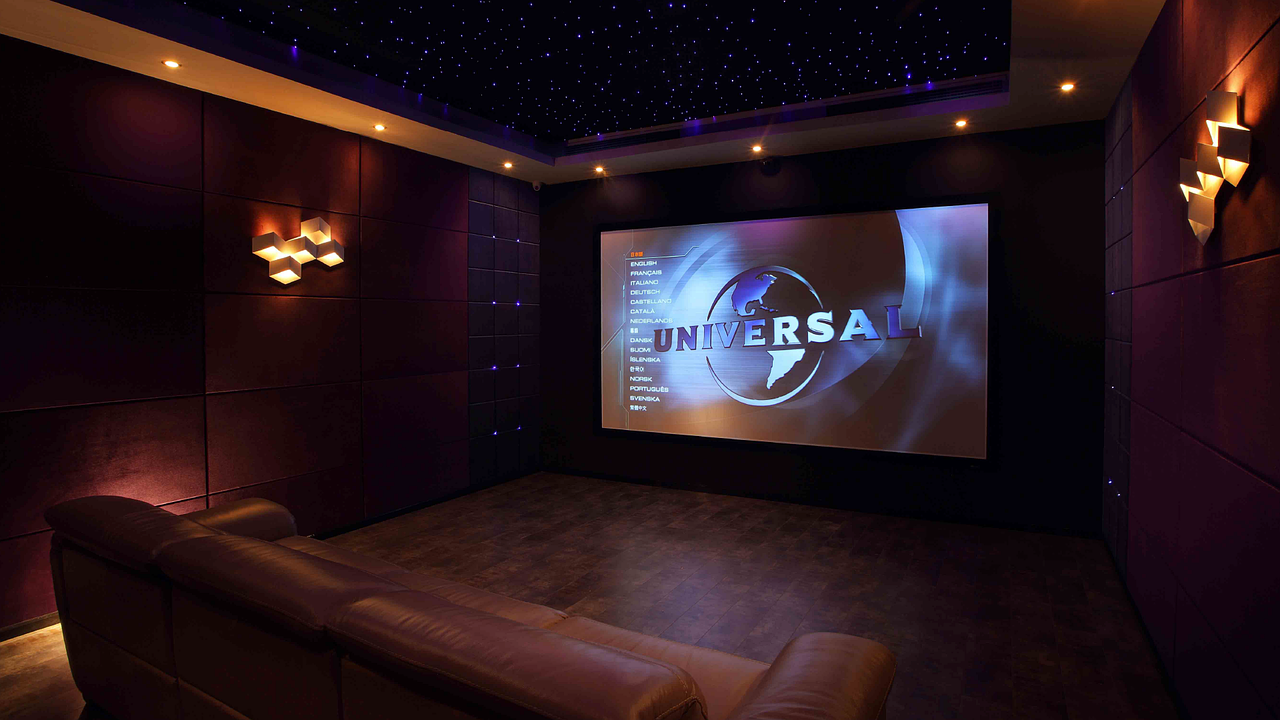
Metallic epoxy floors in Highlands Ranch, CO transform plain basement concrete into a glossy, marbled surface with real depth and movement. They’re a popular choice for Highlands Ranch homeowners finishing a basement, building a home theater or gym, or updating a bonus room. We test the slab for moisture, grind it smooth, add a base color, then hand-pour the metallic coat and shape it with rollers and brushes. A protective topcoat seals it, leaving a seamless floor that cleans easily and stands out.
What Goes Into a Metallic Floor
The finished look comes from layers applied in order:
- Surface prep: grinding removes paint, glue and residue and flattens high spots.
- Repairs: cracks and joints are filled so they don’t show through.
- Base color: a tinted coat seals the slab and sets the tone.
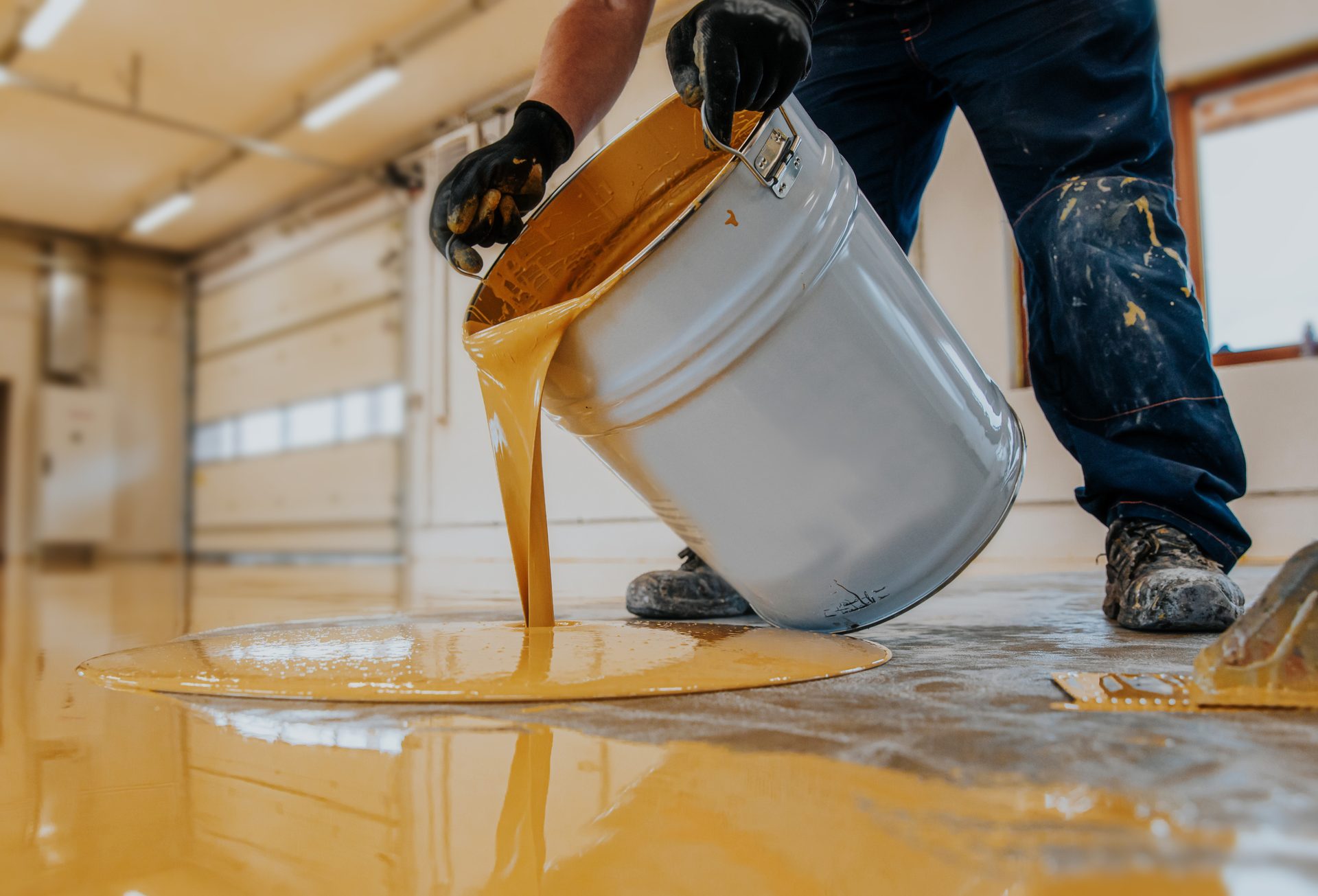
- Metallic layer: clear epoxy carrying metallic pigment is poured, spread and shaped with tools to create swirls, clouds or a marble look.
- Topcoat: a urethane or polyaspartic layer adds scratch resistance in gloss or satin.
Rooms Where It Fits
- Finished and walkout basements
- Home theaters and game rooms
- Home gyms and yoga rooms
- Bonus rooms and offices
- Showroom garages for display cars
For a working garage that sees snow and salt, a garage floor coating with flakes is the more practical option.
Why Basement Moisture Matters
Basement floors sit below the soil line. Groundwater, lawn irrigation and spring snowmelt around the foundation can all send water vapor up through the slab. The concrete may look dry, but vapor still moves through it. Under a coating, that vapor can build pressure and cause bubbles, white haze or peeling.
Every metallic project starts with a moisture test. When readings are high, a moisture-mitigating primer goes down first. If there are signs of active leaks, those need to be addressed before any coating.
Installation, Step by Step
- Planning visit: choose colors and a style, measure the room and test the slab.
- Protecting the room: furniture is removed, and walls and trim are masked.
- Grinding and repairs until the floor is flat and clean.
- Base color coat.
- Metallic pour and design work.
- Topcoat and cure: we’ll tell you when you can walk on it and move furniture back.
Pricing Factors for Metallic Epoxy
- Room size and layout.
- Old flooring to remove, such as carpet pad glue or tile.
- Slab flatness and cracks.
- Moisture levels and whether mitigation is needed.
- Number of colors and design complexity.
- Topcoat type and any added texture.
We give a written price after seeing the room and testing the slab, at no charge.
Metallic Epoxy Versus Other Basement Floors
Metallic epoxy offers a seamless, waterproof surface. A small spill or minor water event won’t ruin it, unlike carpet or some laminates. It also resists odors and allergens.
It isn’t the best fit if you want a soft or warm floor, or if the basement has ongoing water problems. In those cases, we’ll explain the trade-offs honestly. A solid-color coating or a different flooring type may serve you better.
Living With a Metallic Floor
A metallic floor is easy to live with once it’s cured. Dust mop often, since fine grit is what dulls a glossy surface over time. Clean spills with water and a mild cleaner, and avoid harsh solvents. Put felt pads under chairs and tables, and use a rug at the bottom of the stairs where shoes bring in dirt. In a home gym, rubber mats protect the floor from dropped weights. Over the years, if the topcoat loses some shine, it can be sanded lightly and recoated to bring back the finish without touching the metallic layer below.
Risks of Skipping Prep
Decorative floors fail most often because of moisture or weak prep. Peeling or bubbling on a metallic floor is hard to repair invisibly, since the pattern can’t be matched exactly. Doing the testing and grinding properly at the start protects the finished floor. Business owners can find heavier-duty options on our commercial epoxy flooring page.
Related services in Highlands Ranch