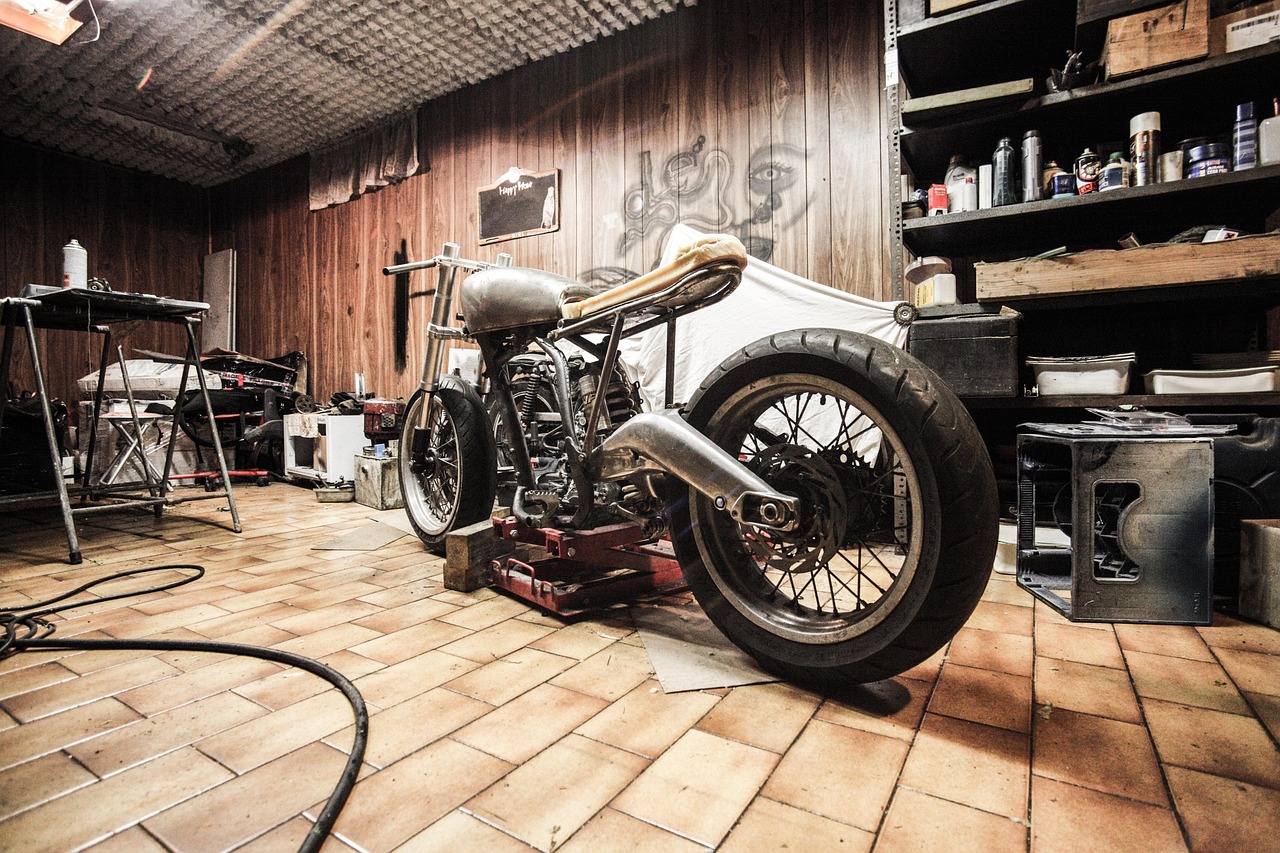
Garage floor coating in Highlands Ranch, CO protects a concrete slab with a thick, bonded flake system and a clear topcoat that shrugs off slush, salt and oil. It’s meant for Highlands Ranch homeowners whose garages are stained, dusty, scaling by the door or coated with a DIY kit that’s failing. We grind the concrete, repair cracks, apply the base coat and flakes, then seal everything with a UV-stable polyaspartic topcoat. The outcome is a clean, finished garage that’s easy to maintain.
How the Coating System Is Built
A professional garage coating is several products working together:
- Concrete grinding opens the surface and removes stains and weak concrete.
- Repairs fill cracks, pits and chipped joints.
- Base coat, typically epoxy or polyurea, bonds to the concrete.
- Vinyl flakes go into the wet base coat for color and grip.
- Polyaspartic topcoat locks in the flakes and protects the floor.
The topcoat is the layer you see and touch, but the bond depends on what’s underneath.
Signs the Garage Floor Needs Attention
- Concrete dust coats shelves and gets tracked into the house.
- Flaking or rough patches where cars park in winter.
- Stains from oil, coolant or fertilizer.
- A peeling DIY coating with bare spots under the tires.
- The floor looks worn compared with the rest of the home.
What Causes Garage Floor Damage Here
Highlands Ranch garages deal with a few specific problems:
- Road brine. Melting snow carries de-icing chemicals off the car and into the concrete.
- Freezing and thawing. Moisture trapped in the slab freezes on cold nights and thaws during the day, slowly breaking down the surface.
- Hot tires in summer that can lift weak coatings.
- Afternoon sun through open garage doors, which yellows ordinary epoxy.
Older slabs in Northridge and Eastridge have had more years of exposure, so they often need more repair. Newer slabs in the south usually need less.
The Installation Process
- Before the project: we confirm the color, flake size and coverage, and you clear the floor.
- Prep: diamond grinding, crack filling and vacuuming.
- Base and broadcast: the base coat goes down, followed by the flakes.
- Scrape and seal: loose flakes are scraped and removed, then the topcoat is applied.
- Cure: you get clear timing for walking and for parking.
Choosing Chip Size and Color
Flake systems come in many blends and chip sizes. Quarter-inch chips are a common middle ground. Larger chips create a bolder pattern, while smaller chips look finer and more even. Blends with a mix of light and dark tones hide salt film, dust and tire marks best between cleanings. Seeing samples on your own floor, in your own light, is the most reliable way to choose.
What Affects the Price of a Garage Coating
- Garage size, plus any curbs or entry step included in the job.
- Slab condition, such as cracks, scaling and stains.
- Removal of old coatings or sealers.
- Moisture conditions that call for a special primer.
- Flake coverage and topcoat choice.
- How much needs to be moved.
We give a written price after a free visit, since the slab’s condition drives much of the cost.
Fix the Old Coating or Replace It?
A coating that’s still bonded but dull or lightly scratched can be sanded and topcoated again, which refreshes the look.
A coating that’s peeling in the tire paths or lifting at the edges has lost its bond. Adding another layer over it won’t last. The old material comes off with the grinder, and the replacement system is applied to clean concrete. For other spaces in the home, take a look at our metallic epoxy floors.
Why Not to Wait Too Long
Every winter adds more salt to bare concrete and more damage near the door. Scaled concrete needs more repair before it can be coated, which adds to the work. Coating a garage while the slab is in good shape keeps the project simpler and protects the concrete for years.
Related services in Highlands Ranch